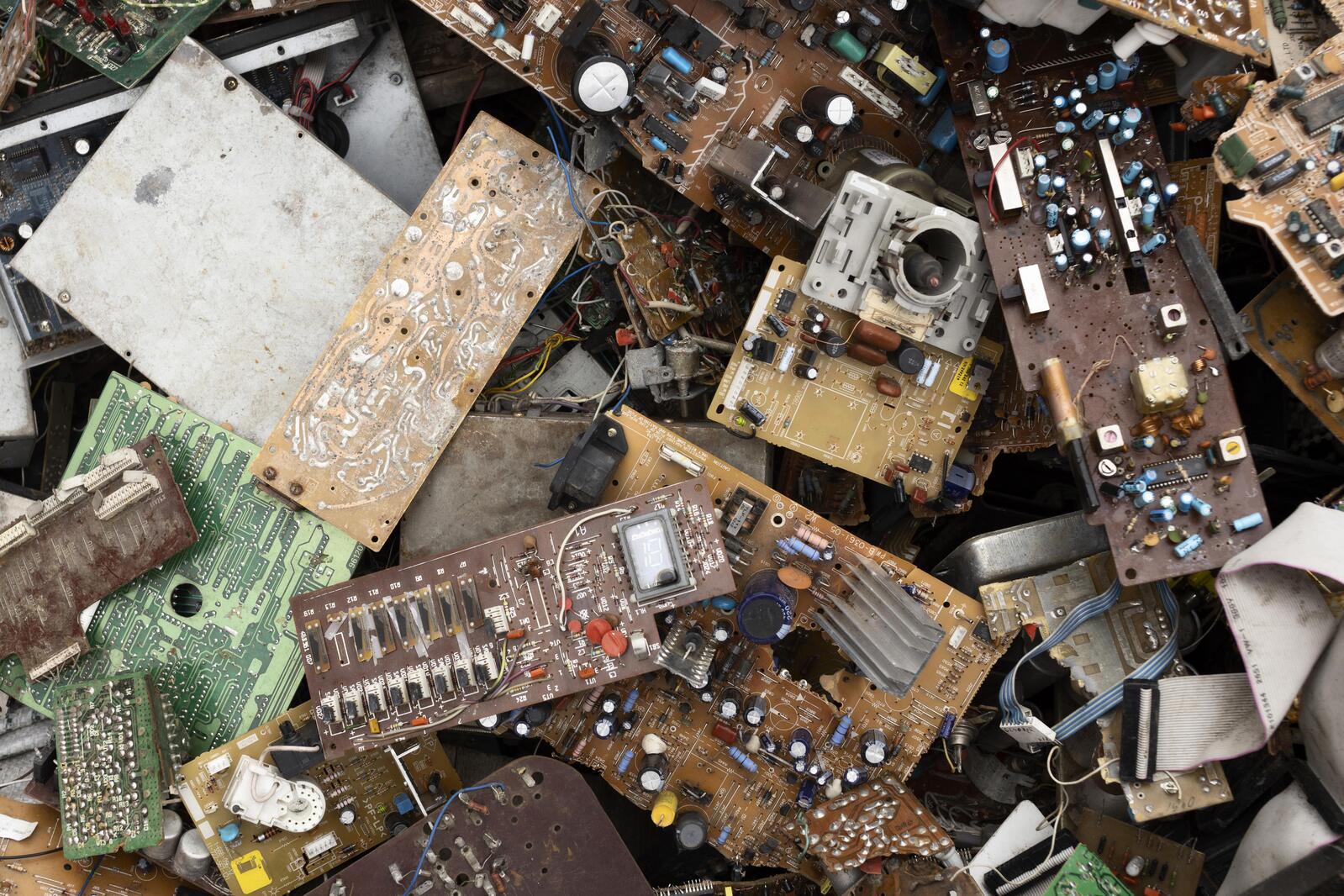
Waste Crime in Australia: The Hidden Cost of Illegal Dumping
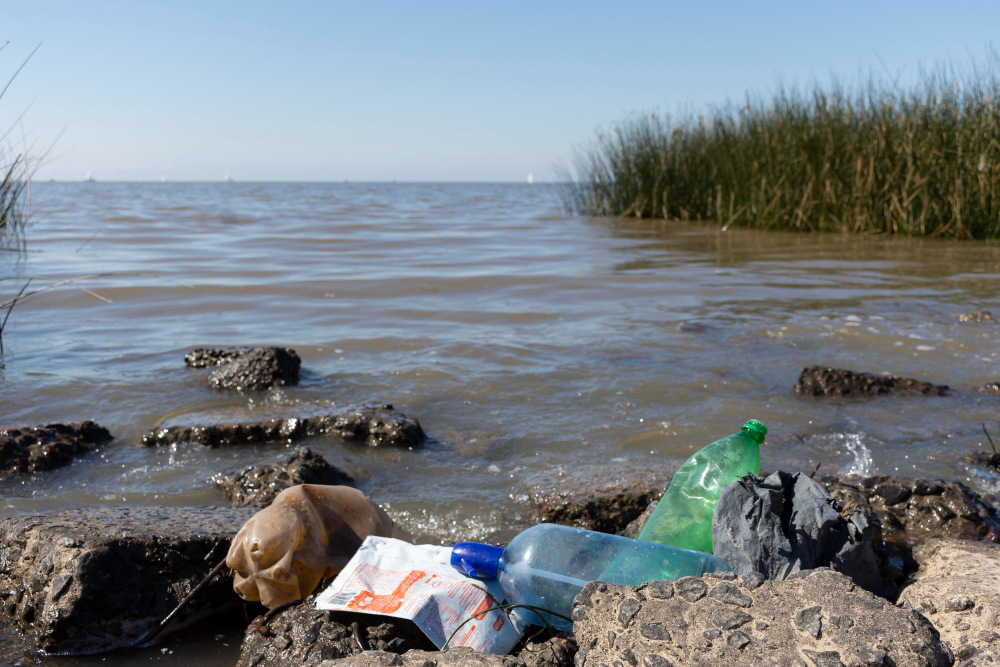
Waste crime in Australia is becoming an increasingly urgent issue that threatens both the environment and public health. While most Australians are familiar with household waste disposal rules and recycling bins, few realise the scale of illegal dumping, unauthorised waste transport, and non-compliant landfill practices occurring across the country.
This article explores the scope of the problem, the laws in place to combat it, the environmental and economic impacts, and how communities, businesses, and local governments are stepping up to stop waste crimes.
What Is Waste Crime?
Waste crime refers to any illegal activity related to the disposal, transport, or handling of waste. In Australia, this can include:
- Dumping rubbish on public or private land without permission
- Transporting waste without a proper license
- Disposing of hazardous materials unlawfully
- Operating illegal landfill sites
- Breaching waste storage regulations
These activities are not only unethical but are also serious offences under state and federal laws.
The Rise of Illegal Waste Dumping in Australia
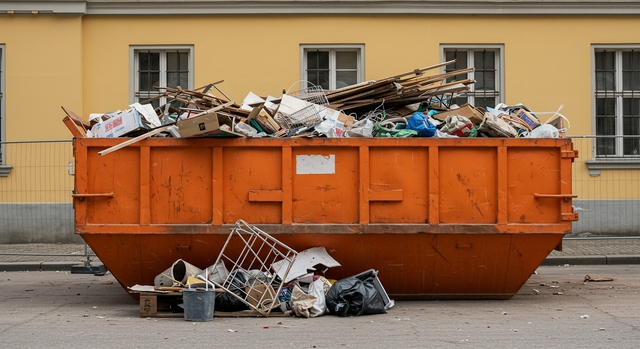
Illegal waste dumping in Australia has surged over the past decade. From bushland on the outskirts of Sydney to abandoned industrial blocks in Melbourne, countless sites have become dumping grounds for construction waste, furniture, whitegoods, and even hazardous chemicals.
According to the Environmental Protection Authorities (EPAs) across the states, hundreds of illegal dumping incidents are reported every month. In New South Wales alone, waste crime enforcement operations uncovered over 2,000 unauthorised disposal cases in 2023.
What’s Behind the Increase in Waste Crime?
1. Rising Disposal Costs
Proper disposal at licensed facilities often comes with tipping fees, environmental levies, and transport charges. Some businesses cut corners by hiring unlicensed operators who offer cheaper services but dispose of rubbish illegally.
2. Lack of Awareness
Many individuals are unaware that dumping a mattress by the side of the road, or hiring a cheap skip bin without checking permits, can be considered illegal waste activity.
3. Weak Surveillance in Remote Areas
Illegal dumping often takes place in national parks, state forests, or rural areas where surveillance is limited. These locations become hotspots for unauthorised waste disposal due to the low risk of detection.
Waste Crime and Environmental Damage
The environmental impact of waste crime in Australia is severe and long-lasting. Hazardous materials such as asbestos, oils, and contaminated soils can pollute waterways and degrade ecosystems. Dumped building materials can block drainage systems and increase fire risk in dry regions.
Many of the illegal dumping sites are left uncleaned for months or even years, posing ongoing risks to flora, fauna, and communities nearby.
Economic Cost to Local Councils and Taxpayers
The financial cost of cleaning up after waste crime is significant. Councils across Australia spend millions of dollars each year removing dumped rubbish and restoring affected areas. These costs are ultimately borne by local ratepayers.
In some cases, councils also have to invest in surveillance systems, additional compliance officers, and public awareness campaigns. For example, the City of Greater Dandenong in Victoria spends over $500,000 annually just on illegal dumping response and prevention.
Legal Penalties for Waste Offences in Australia
Waste disposal regulations in Australia vary by state, but all include substantial penalties for illegal activities.
Penalties may include:
- Fines of up to $2 million for companies
- Individual fines ranging from $5,000 to $500,000
- Imprisonment for severe offences
- Clean-up notices and legal orders to remediate land
In New South Wales, the Protection of the Environment Operations Act 1997 gives the EPA the power to investigate, prosecute, and issue fines for waste crimes. Similarly, in Queensland, the Waste Reduction and Recycling Act 2011 outlines strict waste transport tracking systems and heavy penalties for non-compliance.
How Waste Crimes Are Investigated
Environmental regulators rely on a combination of methods to detect and investigate waste crime:
- Community reports via EPA hotlines and online forms
- CCTV footage and motion detection cameras at dumping hotspots
- Vehicle tracking systems for licensed waste transporters
- Surprise audits of waste management companies
- Analysis of dumped materials to trace origin
In recent years, technology has played a growing role. Surveillance drones, GPS tags on skip bins, and artificial intelligence tools are now helping authorities map patterns and identify repeat offenders.
Role of the Community in Preventing Waste Crime
Every Australian has a part to play in reducing illegal dumping. Simple actions can make a big difference:
- Report suspicious behaviour: If you see someone dumping waste in a remote area or public space, report it to the local council or EPA.
- Check waste disposal providers: Before hiring rubbish removal services, ask if they are licensed and confirm where they dispose of materials.
- Use council services: Many councils offer bulk rubbish collections, recycling stations, and chemical drop-off events.
- Secure bins and construction sites: Make sure your property does not become a target for illegal dumping.
The Importance of Public Education
Local governments and environmental groups have invested in educational programs to raise awareness. Campaigns like “Dob in a Dumper” and “Love Where You Live” encourage residents to report illegal activities and take pride in their surroundings.
Schools are also incorporating lessons on responsible waste behaviour, including the dangers of unauthorised disposal and the value of recycling and composting.
Corporate Responsibility and Waste Compliance
Businesses that generate large volumes of waste, such as construction companies and manufacturing plants, must comply with strict rules around storage, transport, and disposal.
Firms found breaching waste laws not only face legal consequences but also risk serious reputational damage. Ethical waste management has become a key part of corporate sustainability reporting, especially for businesses seeking government contracts or green certifications.
What Is Being Done at a National Level?
While waste regulation in Australia is mostly managed at the state level, there are growing efforts to address the issue nationally.
The 2020 National Waste Policy Action Plan includes targets to reduce illegal dumping, strengthen compliance, and improve data collection on waste crime. The federal government is also supporting research into improved tracking systems and the environmental impact of unauthorised waste sites.
Looking Ahead: A Smarter Approach to Waste
Solving the waste crime problem in Australia will require a coordinated effort from regulators, communities, and industry. Technology will play a bigger role in detection, but prevention will remain the most effective strategy.
By promoting legal disposal methods, educating the public, and making it easier for people to do the right thing, Australia can reduce the burden of illegal waste and move toward a cleaner, safer, and more sustainable future.
Final Thoughts
Waste crime in Australia is not just about a few careless individuals dumping rubbish in the bush. It is a growing environmental and social issue that affects communities, councils, and ecosystems nationwide. By staying informed, making ethical choices, and reporting suspicious activity, we can all help combat this hidden threat.
If you want to learn more about how to manage waste responsibly or understand your obligations under local laws, check our website for more information waste 2 Resources.
Posted By

MOST POPULAR ARTICLES

MOST RECENTS POST
-
 Waste Technology Australia: AI and Smart Rubbish Systems
 -
 Why Organic Waste Management Matters in Australian Cities
 -
 Community Waste Solutions Australia That Actually Work
 -
Is Your Business Compliant with Waste Regulations in Australia?
-
 Construction Waste Recycling in Australia for a Sustainable Future