Waste Crimes in Australia: The Hidden Industry of Illegal Dumping
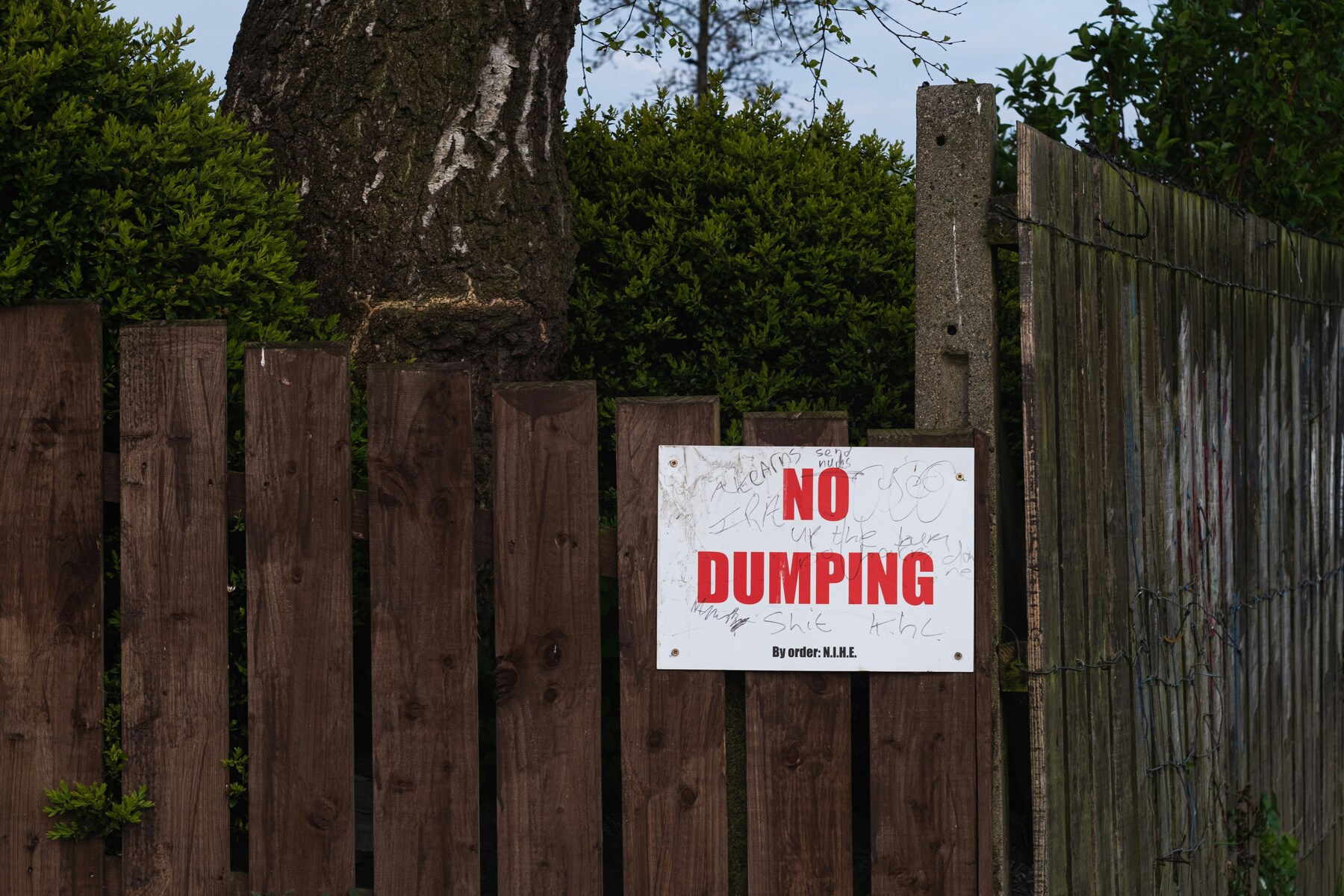
Illegal dumping has become one of the most persistent waste related issues across Australia. It is not just a local nuisance or a minor offence. It is a costly, damaging practice that impacts councils, native environments and everyday communities. From dumped mattresses in alleyways to construction waste in bushland, the problem is growing and often hiding in plain sight.
This article explores how illegal dumping operates in Australia, why it happens, who is involved, and what is being done to stop it.
What Is Illegal Dumping?
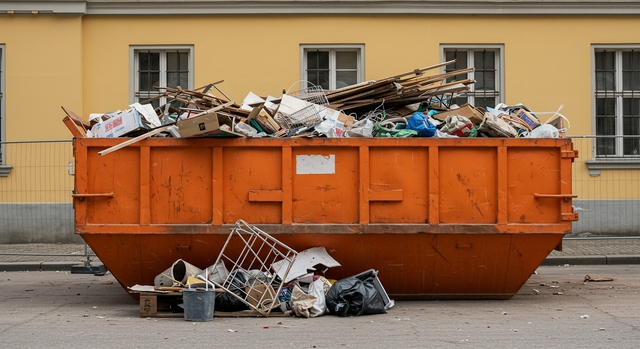
Illegal dumping refers to the deliberate disposal of waste materials in areas not approved or licenced for waste storage. This includes public reserves, vacant land, roadsides, waterways, or even private property without consent. Unlike general littering, illegal dumping usually involves large volumes of rubbish or items that pose environmental or health risks.
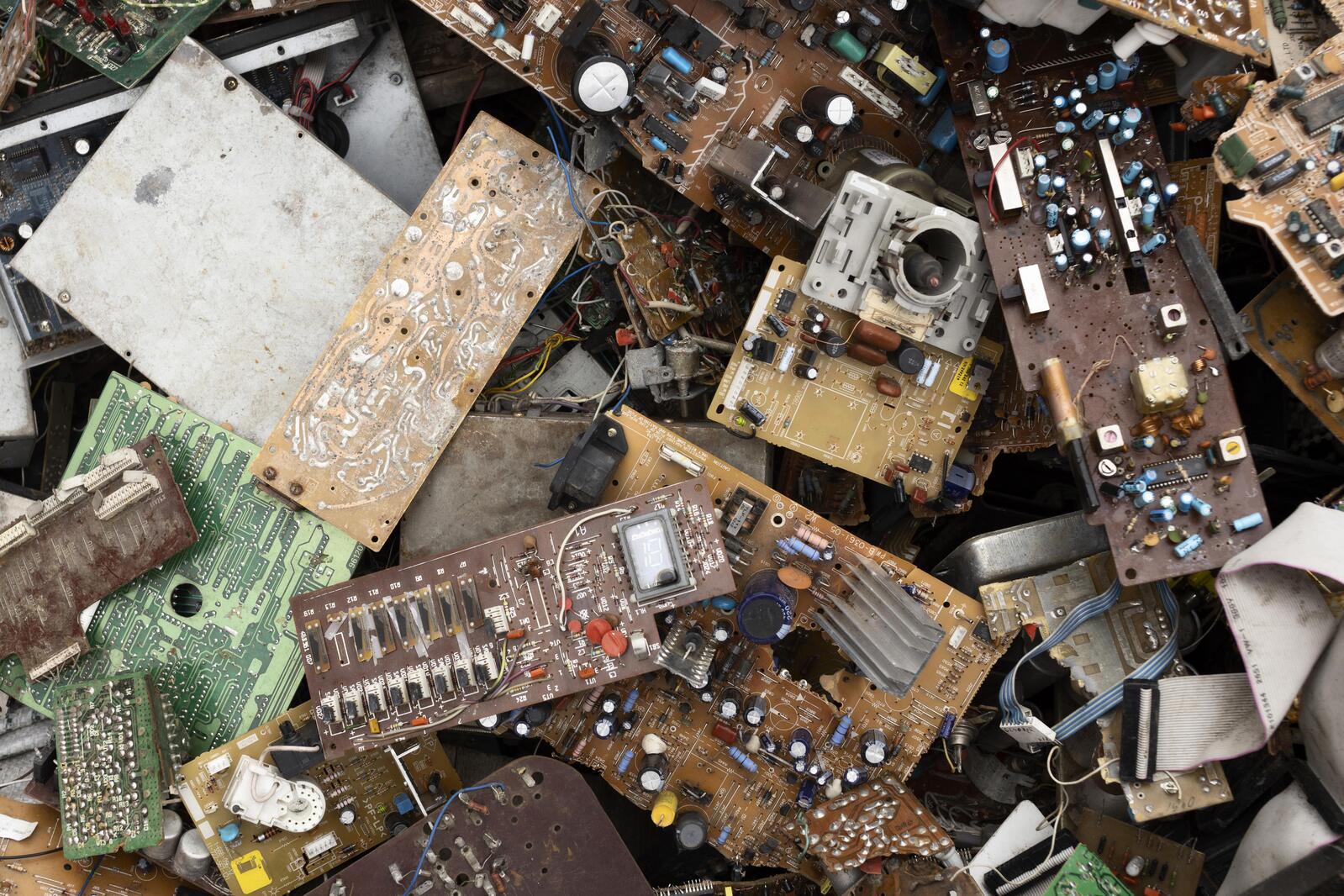
Common examples include broken furniture, white goods, garden waste, tyres, building rubble and asbestos. These are not materials that fit in a wheelie bin or should be left for kerbside collection. They require proper disposal or treatment, which many dumpers intentionally avoid.
Why Is Illegal Dumping Increasing?
There are several reasons why illegal dumping continues to rise in both metropolitan and regional areas of Australia:
- Disposal fees: Landfill and transfer station costs discourage some people from using official facilities.
- Convenience: It is easier and faster for some to dump waste in a quiet area than to transport it legally.
- Lack of awareness: Some individuals mistakenly believe certain types of waste are acceptable to leave in nature strips or bushland.
- Rogue operators: Unlicensed waste collection services offer cheap removal, then dump the contents unlawfully.
- Infrequent council collections: In some areas, hard waste or bulk waste pickups are limited or non-existent.
Over time, once a site is used for dumping, it often becomes a hotspot. This encourages more dumping in the same location, creating a larger problem that attracts pests and damages the environment.
Who Is Responsible?
The people responsible for illegal dumping are not always who you expect. It is not only vandals or fly-tippers. In many cases, the offenders include:
- Residents: who dispose of large items without arranging proper collection
- Businesses and tradespeople: especially in the construction and demolition industries trying to cut costs
- Illegal waste collectors: who operate without permits or licences and charge cash-only fees
What is often framed as a money-saving shortcut can end up becoming a legal offence with heavy penalties. Depending on the state or territory, fines for illegal dumping in Australia range from $2,000 to over $250,000 for individuals or corporations.
The Environmental Impact
The cost of illegal dumping goes far beyond cleanup. Dumped waste can damage local habitats, contaminate soil and water, and endanger native wildlife. Items like oil drums, paint cans, batteries and asbestos pose significant risks when left exposed in nature.
Green waste dumped in bushland can increase fire risk or spread invasive weeds. Discarded plastics and foam break down slowly and enter waterways, affecting marine ecosystems. In many regional areas, dumping also affects farming and land use, reducing the value and safety of agricultural properties.
The Financial Cost to Communities
Councils across Australia spend tens of millions of dollars annually responding to illegal dumping reports, organising clean-ups, and conducting surveillance and enforcement. These costs are often passed on to local ratepayers.
In New South Wales, the EPA’s Illegal Dumping Strategy estimated the cost of clean-ups at over $10 million per year. Other states report similar figures. These resources could be redirected to schools, roads or essential services if dumping were reduced.
What Are Governments Doing to Fight It?
State and local governments are taking illegal dumping more seriously. Some current strategies include:
- Surveillance cameras: installed at known dumping hotspots
- Public education campaigns: to raise awareness about the impact and penalties of dumping
- Fines and prosecutions: to deter individuals and businesses from offending
- Illegal dumping squads: dedicated teams that investigate and respond to reports
- Community partnerships: encouraging local groups to report incidents and clean up affected areas
Some councils have created dedicated online portals or mobile apps where residents can submit photos and locations of dumped rubbish. In places like Queensland and Victoria, councils are also trialling remote monitoring using drones.
How You Can Help
While authorities are cracking down on illegal dumping, community members also have a vital role to play. Here is what you can do:
- Report any dumped waste to your local council or environment department
- Hire only licensed waste removal services for your home or business
- Participate in community clean-up days or local watch programs
- Use hard waste collection services correctly and book ahead when needed
- Dispose of hazardous waste through proper channels at designated facilities
Even one report can help identify a pattern or location that leads to enforcement action. A proactive community is one of the strongest defences against illegal dumping.
Final Thoughts
Illegal dumping in Australia is more than an inconvenience. It is a crime that costs money, damages the environment, and threatens public health and safety. With the right mix of enforcement, education and community action, this waste problem can be reduced and eventually eliminated in many areas.
As waste volumes grow and pressures on land use increase, it is vital that we all recognize dumping for what it is: an avoidable offence with lasting consequences. The cleaner future we want for Australia starts with responsible disposal today.
Posted By

MOST POPULAR ARTICLES


MOST RECENTS POST
-
 Waste Technology Australia: AI and Smart Rubbish Systems
 -
 Why Organic Waste Management Matters in Australian Cities
 -
 Community Waste Solutions Australia That Actually Work
 -
Is Your Business Compliant with Waste Regulations in Australia?
-
 Construction Waste Recycling in Australia for a Sustainable Future