Why Small Towns Are Winning the War on Waste

Waste may be a universal problem, but the way it is managed can differ greatly depending on where you live. In Australia’s major cities, systems are often complex, stretched and reactive. In contrast, many small towns are quietly achieving what larger councils struggle to do keep waste under control. Thanks to strong community ties, local innovation and practical thinking, rural waste management is proving surprisingly effective.
So how are these smaller communities getting it right? This article takes a closer look at the strategies, successes and stories behind Australia’s rural waste management efforts.
The Unique Challenges of Rural Waste Management
Managing waste in regional and remote areas is not easy. Distances are greater, services are fewer, and funding is often limited. Transporting rubbish to centralised facilities can be expensive and logistically complex. Many towns operate with fewer bins, infrequent collection schedules and limited access to recycling infrastructure.
Yet, despite these hurdles, many rural councils and communities are developing smart, low-cost solutions to reduce landfill, improve recycling and build cleaner environments.
Community-Driven Solutions That Work
One of the biggest strengths of small towns is their sense of community. This plays a crucial role in successful waste initiatives. Local residents often feel more responsible for their surroundings and are more willing to support shared goals.
In rural areas, it is common to see community members volunteering at local waste facilities, participating in recycling workshops or joining clean-up days. Many local schools also integrate waste education into the curriculum, helping build long-term awareness among younger generations.
Case Study: Boort, Victoria
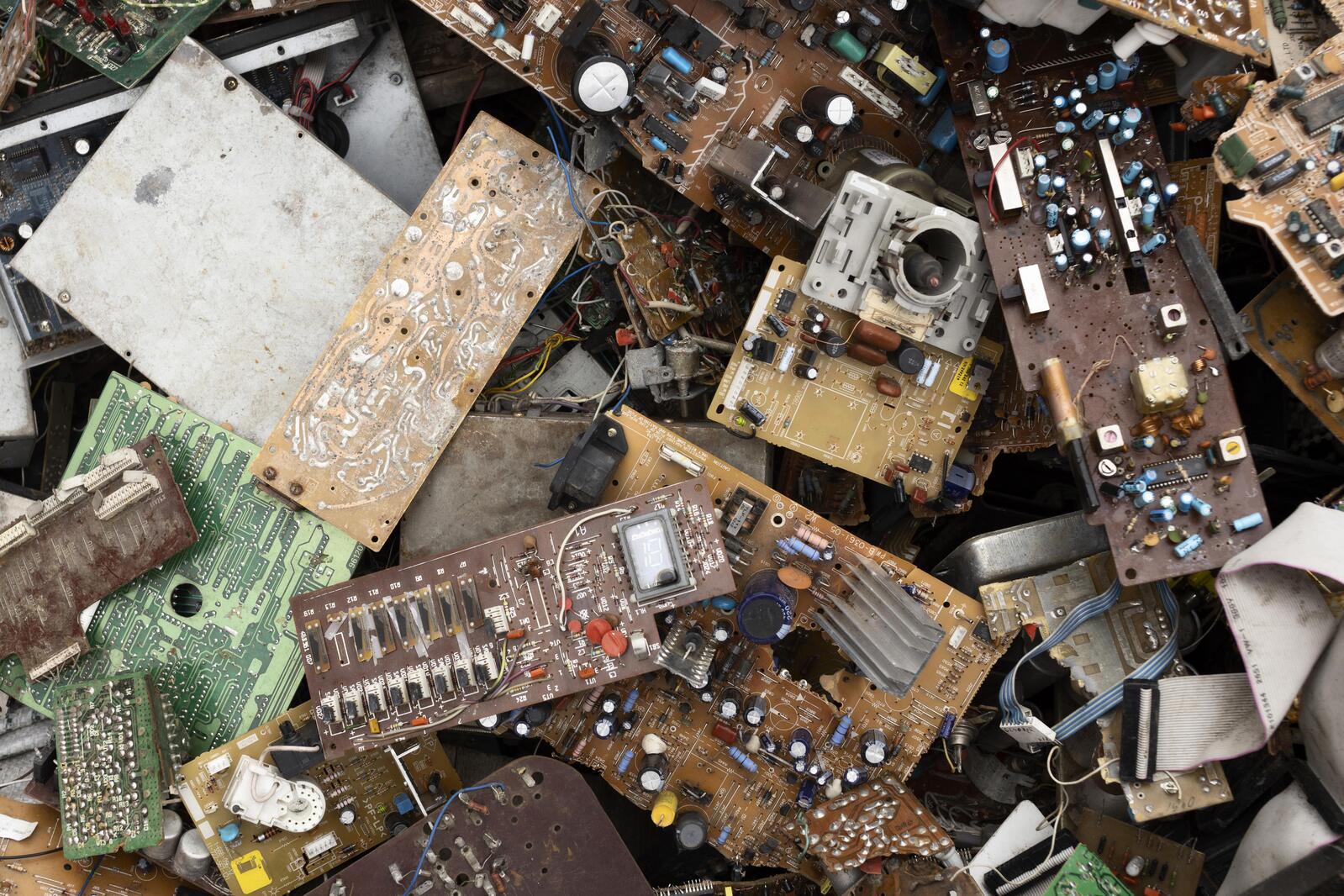
The town of Boort in regional Victoria transformed its waste habits by introducing a simple yet effective drop-off centre. With minimal budget, the community set up sorting stations for e-waste, garden materials, white goods and batteries. Locals deliver waste themselves, with clear signage guiding how to separate it. The town has seen a significant drop in illegal dumping and an increase in recycling rates since the program began.
Local Innovation in Action
Many rural towns are now turning to low-tech but highly effective tools to deal with their waste. These include:
- Tip shops and reuse centres places where unwanted items can be repaired, repurposed or sold instead of dumped
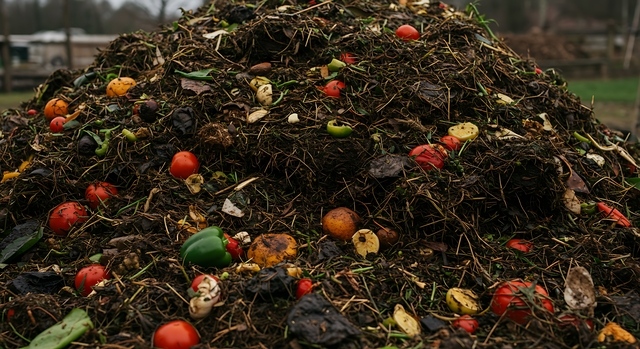
- Green waste composting hubs offering residents a place to deposit organic material, which is then reused by the council or sold back to the public
- Mobile recycling trailers travelling between rural communities to collect problem waste like paint, oil and light globes
- Community-led repair cafes bringing together skilled volunteers to fix electricals, bikes and small appliances for free
These programs are not only keeping waste out of landfill they are also building local pride and resilience.
Partnerships With Industry and Council
Effective rural waste management often depends on strong partnerships. Councils may team up with local businesses, agricultural producers or non-profits to create shared infrastructure or run pilot programs. For example, in parts of Western Australia, farms have partnered with councils to co-locate drop-off points for pesticide containers and scrap machinery.
In Queensland, the Fraser Coast Regional Council worked with local Indigenous organisations to introduce recycling initiatives in remote communities. These efforts have helped reduce litter and create jobs in areas with few employment opportunities.
Tailored Education Campaigns
Education plays a vital role in changing attitudes toward waste. In rural settings, communication must be simple, accessible and suited to the local context. Many councils produce printed guides for waste sorting and disposal, host information sessions at community halls and use local radio to spread awareness.
Rather than relying on apps or websites, rural councils often choose more direct and personal methods like newsletter inserts or school visits to share important waste information. This hands-on approach has proven highly effective in building long-term behavioural change.
What Larger Cities Can Learn
Australia’s small towns may not have the same budget or infrastructure as big cities, but they do have key lessons to offer:
- Simplicity: Clear signage and basic systems often work better than high-tech solutions
- Accountability: When people know who manages waste and where it goes, they are more likely to do the right thing
- Community leadership: Waste success often starts with a few passionate people making change at a local level
- Reuse before recycling: Many rural programs prioritise reuse and repair over costly recycling methods
In an age of complex waste streams and rising landfill costs, simplicity, connection and shared purpose are powerful tools.
Conclusion: Small Towns, Big Impact
Rural waste management is more than just a logistical challenge it is a story of community, creativity and resilience. Across Australia, small towns are leading the way by finding practical, inclusive and sustainable solutions that reduce waste and build stronger neighbourhoods.
While their populations may be small, the impact of their efforts is large. As urban centres look for ways to reduce their environmental footprint, perhaps it is time they looked beyond city limits for some rural inspiration.
Posted By

MOST POPULAR ARTICLES


MOST RECENTS POST
-
 Waste Technology Australia: AI and Smart Rubbish Systems
 -
 Why Organic Waste Management Matters in Australian Cities
 -
 Community Waste Solutions Australia That Actually Work
 -
Is Your Business Compliant with Waste Regulations in Australia?
-
 Construction Waste Recycling in Australia for a Sustainable Future