How Construction Waste Is Being Repurposed Creatively
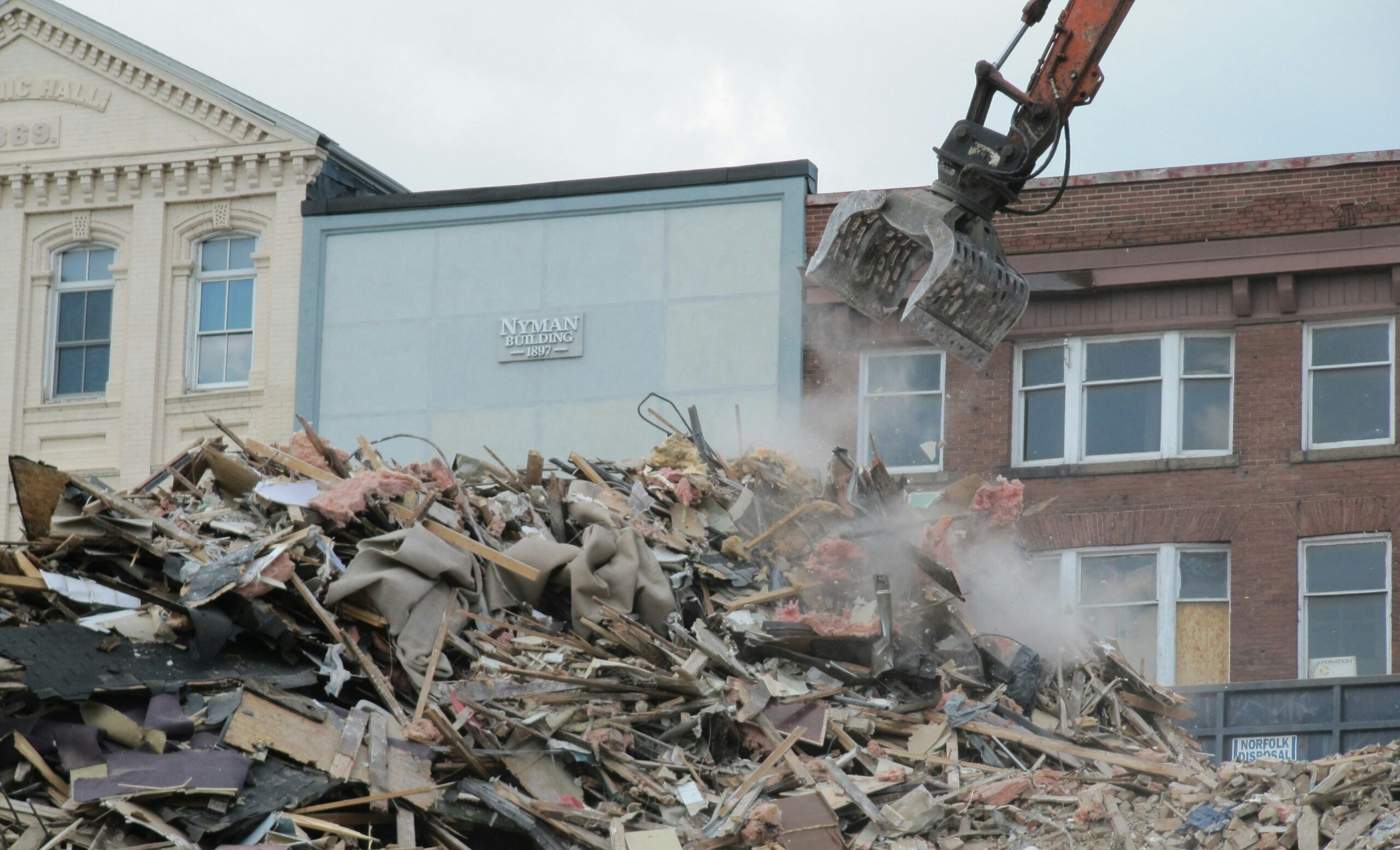
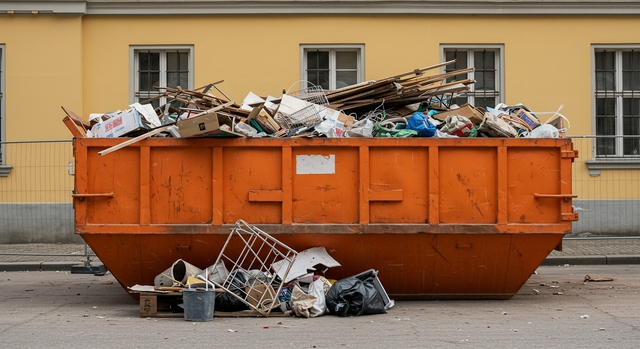
In Australia, the construction and demolition (C&D) sector generates more waste than any other industry. Bricks, concrete, wood, steel, plasterboard and tiles often pile up by the tonne. But where some see rubble and scrap, others see potential. A growing number of designers, builders and councils are now leading a quiet revolution in construction waste recycling.
This article explores how materials once destined for landfill are being repurposed in new and imaginative ways, creating a more circular, more sustainable building culture across the country.
The Scale of Construction Waste in Australia
According to the Australian Bureau of Statistics, construction and demolition activities generate over 20 million tonnes of waste annually. While recycling rates have improved over the years, a significant amount still ends up in landfill. Concrete, timber, metal and asphalt are the most common components of this waste stream.
The environmental impact is substantial. Transporting and dumping these materials uses energy, releases emissions and consumes valuable space in landfills. But when recycled or reused, they can become valuable resources once again.
What Is Construction Waste Recycling?
Construction waste recycling involves recovering usable materials from demolition or building sites and processing them for reuse. This can include crushing concrete into road base, turning timber offcuts into furniture, or reworking bricks for architectural facades.
Recycling is not just about reducing landfill. It is also about preserving natural resources, reducing energy consumption and minimising environmental harm. Done well, it also creates jobs and opens new design possibilities for architects and builders.
Creative Ways Recycled Materials Are Being Used
Some of the most exciting innovations in construction waste recycling are happening in the creative space. Here are a few standout examples:
- Recycled brick feature walls: Salvaged bricks are cleaned and used to create textured, character-rich walls in modern homes or offices.
- Timber offcuts turned into tables: Furniture designers are reusing hardwood from demolition sites to craft bespoke tables, chairs and benches.
- Crushed concrete as landscaping aggregate: Old concrete is crushed and reused in footpaths, garden beds or driveway bases.
- Metal sheeting in art installations: Corrugated iron from sheds and roofs finds new life in public art or architectural detailing.
- Pallets and scaffold planks in retail design: Reclaimed wood is a staple in cafes, bars and boutique shops seeking a rustic or industrial look.
These uses show that construction waste is not a dead end it is a source of inspiration.
Success Stories from Australian Projects
Several Australian projects have made headlines for their clever use of recycled building materials:
- The Burwood Brickworks (VIC): Marketed as one of the world’s most sustainable shopping centres, this development used recycled bricks, FSC-certified timber and reclaimed steel throughout its design.
- Precinct 75 in Sydney: This creative precinct was built using salvaged timber, restored bricks and repurposed concrete from its former industrial site.
- Nightingale Housing (various cities): This not-for-profit housing initiative prioritises recycled and locally sourced materials in all its developments, reducing waste and carbon emissions.
These examples highlight that sustainability is no longer a design constraint it is a design advantage.
The Role of Policy and Incentives
Several local councils and state governments are now supporting construction waste recycling through policies and grants. For example:
- New South Wales offers funding through its Waste Less, Recycle More initiative, encouraging businesses to recover C&D waste
- Victoria’s Recycling Modernisation Fund supports innovation in waste infrastructure, including construction materials
- South Australia has introduced landfill levies to discourage dumping of recyclable building materials
These programs aim to drive behavioural change and reduce dependence on raw material extraction.
Why More Builders Are Embracing Recycled Materials
Beyond compliance and cost savings, many Australian builders now see recycled materials as an opportunity to add character and reduce their environmental footprint. Reclaimed timber, aged bricks and metal often bring a history and texture that new materials cannot replicate.
There is also growing demand from clients for greener buildings. Homeowners and commercial developers alike are asking for materials that are sustainable, local and ethically sourced.
With proper planning and collaboration, using recycled content does not have to compromise performance or safety. Many repurposed materials meet the same building codes as their new counterparts.
Challenges in the Recycling Process
Despite progress, construction waste recycling still faces some barriers:
- Contamination: Mixed loads or hazardous materials can reduce recyclability
- Lack of segregation on-site: Sorting materials at the source remains a challenge
- Perceived cost or quality issues: Some builders still believe recycled materials are inferior or less reliable
- Limited infrastructure: In regional areas, access to recycling facilities is still developing
Overcoming these issues will require better site management, education and investment in recycling technology.
Looking Ahead
The future of construction waste recycling in Australia looks promising. With rising landfill costs, stricter regulations and increasing public awareness, the industry is shifting. Innovation is now at the heart of waste recovery.
Architects, builders and designers have the tools to turn waste into something valuable. From structural components to decorative finishes, recycled materials are reshaping the way Australia builds.
And the message is clear: construction waste is not rubbish it is raw material for something better.
Posted By

MOST POPULAR ARTICLES

MOST RECENTS POST
-
 Waste Technology Australia: AI and Smart Rubbish Systems
 -
 Why Organic Waste Management Matters in Australian Cities
 -
 Community Waste Solutions Australia That Actually Work
 -
Is Your Business Compliant with Waste Regulations in Australia?
-
 Construction Waste Recycling in Australia for a Sustainable Future