How Climate and Geography Shape Waste Removal in Australia

Waste removal plays a central role in maintaining healthy, sustainable cities. While the process may appear simple on the surface, it is deeply influenced by local geography, climate, and infrastructure. From seasonal green waste in Adelaide to the high-density challenges of Sydney, each city requires a different approach to effective rubbish management.
Understanding how regional conditions shape waste practices helps explain why there is no one-size-fits-all solution. This article takes a closer look at how climate and layout affect waste removal systems in four major Australian cities: Melbourne, Perth, Sydney, and Adelaide.
What Is Waste Removal?
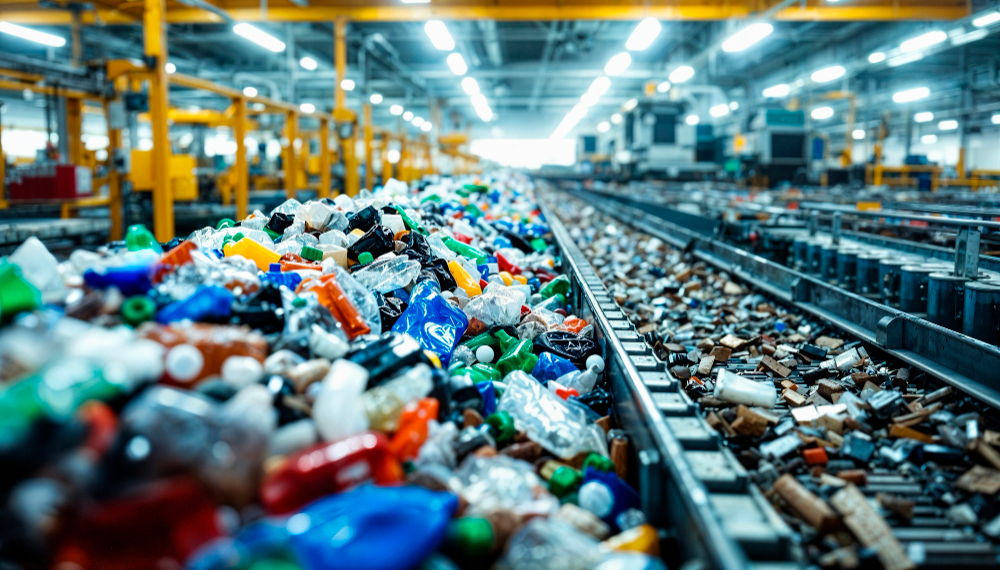
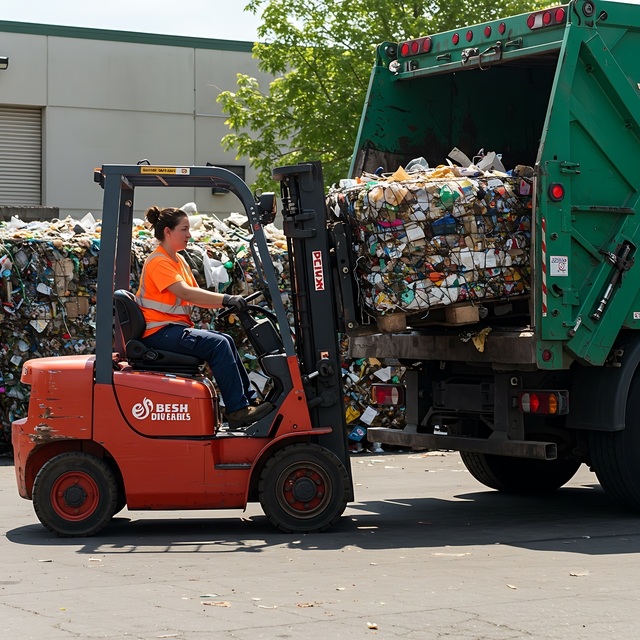
The basic waste removal definition is the collection, transport, and responsible disposal of unwanted materials. These include household rubbish, green waste, commercial refuse, and construction debris. Waste removal is delivered by both local councils and private contractors and may include recycling and sorting processes that reduce environmental impact.
In modern cities, waste removal is more than a routine chore. It is a system of logistics, compliance, sustainability, and community education. Each element must respond to the challenges presented by the local environment.
Waste Removal in Melbourne
Waste removal Melbourne services are built around a temperate climate with fast-changing weather. Windstorms and flash flooding can disrupt collection schedules and result in unexpected waste volume, especially green waste and damaged items after storms.
Melbourne residents typically use a three-bin system, separating landfill, recyclables, and organics. Local councils offer scheduled hard waste pickups and drop-off days for e-waste and hazardous materials. Private waste removal is often used during renovations and for bulky goods not accepted by standard services.
The city also places emphasis on education and resource recovery. Community programs teach residents how to reduce contamination in recycling bins and how to safely dispose of batteries, paint, and whitegoods. These programs are critical in maintaining efficient waste removal and reaching landfill reduction targets.
Waste Removal in Perth
Waste removal Perth is influenced by a dry climate, large suburban blocks, and low-density housing. The physical spread of the city means that services must be adapted to long travel distances, especially in the outer suburbs and semi-rural zones.
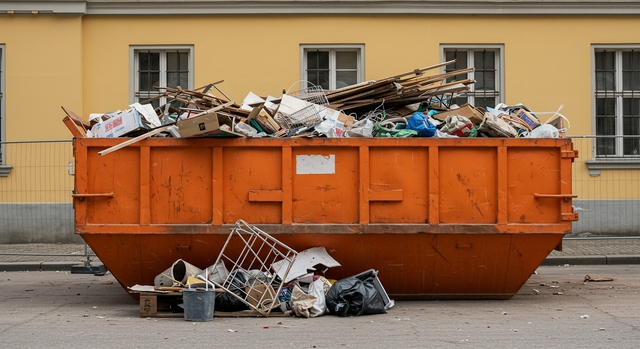
Skip bins are commonly used for large-scale cleanups, spring gardening, and minor renovations. Because of the dry landscape, green waste is concentrated during fire prevention seasons when residents trim trees and clear undergrowth. Many services also collect whitegoods and old furniture on request, which is helpful in areas without regular council hard waste pickups.
With increasing urban development, Perth has seen growth in mobile rubbish removal businesses. These companies offer flexible collection windows and can respond quickly to urgent disposal needs, making them ideal for landlords, builders, and busy households.
Rubbish Removal in Sydney
Rubbish removal Sydney must navigate the constraints of high-density living, traffic congestion, and limited space. In many suburbs, placing a skip bin on the street requires a council permit. Apartment buildings also have shared waste rooms with strict rules and limited access hours.
To address these challenges, private rubbish removal services offer same-day collection and internal load-out services. These teams remove items from inside apartments or offices and manage the entire disposal process. This is especially valuable for tenants moving out, office relocations, or post-renovation cleanups in tight locations.
Sydney councils also monitor illegal dumping closely. Fines are issued for waste placed outside collection windows or in unauthorised areas. Many local governments have expanded their bulky goods programs to reduce illegal waste and provide more legal options for disposal.
Waste Removal in Adelaide
Waste removal Adelaide is strongly focused on sustainability and seasonal waste trends. The city experiences dry, hot summers and moderate rainfall during winter. These conditions influence when and how green waste is generated, particularly in spring and early summer when gardens are cleared for fire safety.
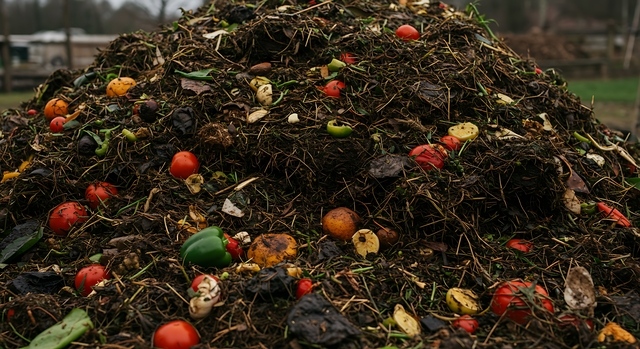
Most households in Adelaide use a three-bin system supported by optional composting and community drop-off points. In addition to council services, private removal companies collect renovation waste, old appliances, and other bulk items. Many of these businesses sort waste by type, maximising the amount that can be recycled or reused.
Adelaide’s recycling centres accept hard-to-dispose-of materials like mattresses, tyres, and electronics. These facilities are part of the city’s broader waste strategy that aims to divert as much rubbish from landfill as possible.
How Geography and Weather Impact Waste Removal
Each city’s landscape and climate shape the kind of waste that is produced and the best way to manage it. In coastal areas with strong winds, lightweight waste like plastics and packaging can easily become scattered litter if not properly secured. In suburbs prone to bushfires, clearing tree branches and green waste before summer is essential. Meanwhile, in densely populated inner-city areas, limited outdoor space means households typically produce more packaging and food waste than garden debris.
Seasonal events also cause spikes in certain waste categories. Holidays increase the amount of wrapping and food containers. Storms bring damaged outdoor furniture, branches, and flood-damaged goods. These surges must be handled by adaptable waste removal services that respond to local needs.
Adapting Services to Local Conditions
Efficient waste management relies on local knowledge. The same waste removal strategy will not work equally well in Melbourne’s laneways, Perth’s outer suburbs, Sydney’s high-rises, or Adelaide’s leafy garden blocks. By working with the unique characteristics of each area, councils and private providers can deliver better, safer, and more sustainable results.
Innovations in digital booking, waste tracking, and automated route planning are helping waste businesses operate smarter. At the same time, community education campaigns build awareness about what can be recycled, how to sort waste, and when to request special collection services.
Conclusion: Smarter Waste Removal Starts with Local Understanding
The waste removal definition may seem universal, but how that service works in practice is entirely shaped by the local environment. Each Australian city faces unique conditions that impact timing, method, and capacity for waste collection.
From waste removal Melbourne dealing with four seasons in a week, to waste removal Perth handling wide urban sprawl, from the compact streets of rubbish removal Sydney to the seasonal composting culture of waste removal Adelaide, location matters.
For homeowners, builders, and businesses, choosing a waste removal service that understands your area is key to staying compliant, clean, and efficient. The better we match services to geography and weather, the closer we get to a truly sustainable waste future.
Posted By

MOST POPULAR ARTICLES


MOST RECENTS POST
-
 Waste Technology Australia: AI and Smart Rubbish Systems
 -
 Why Organic Waste Management Matters in Australian Cities
 -
 Community Waste Solutions Australia That Actually Work
 -
Is Your Business Compliant with Waste Regulations in Australia?
-
 Construction Waste Recycling in Australia for a Sustainable Future